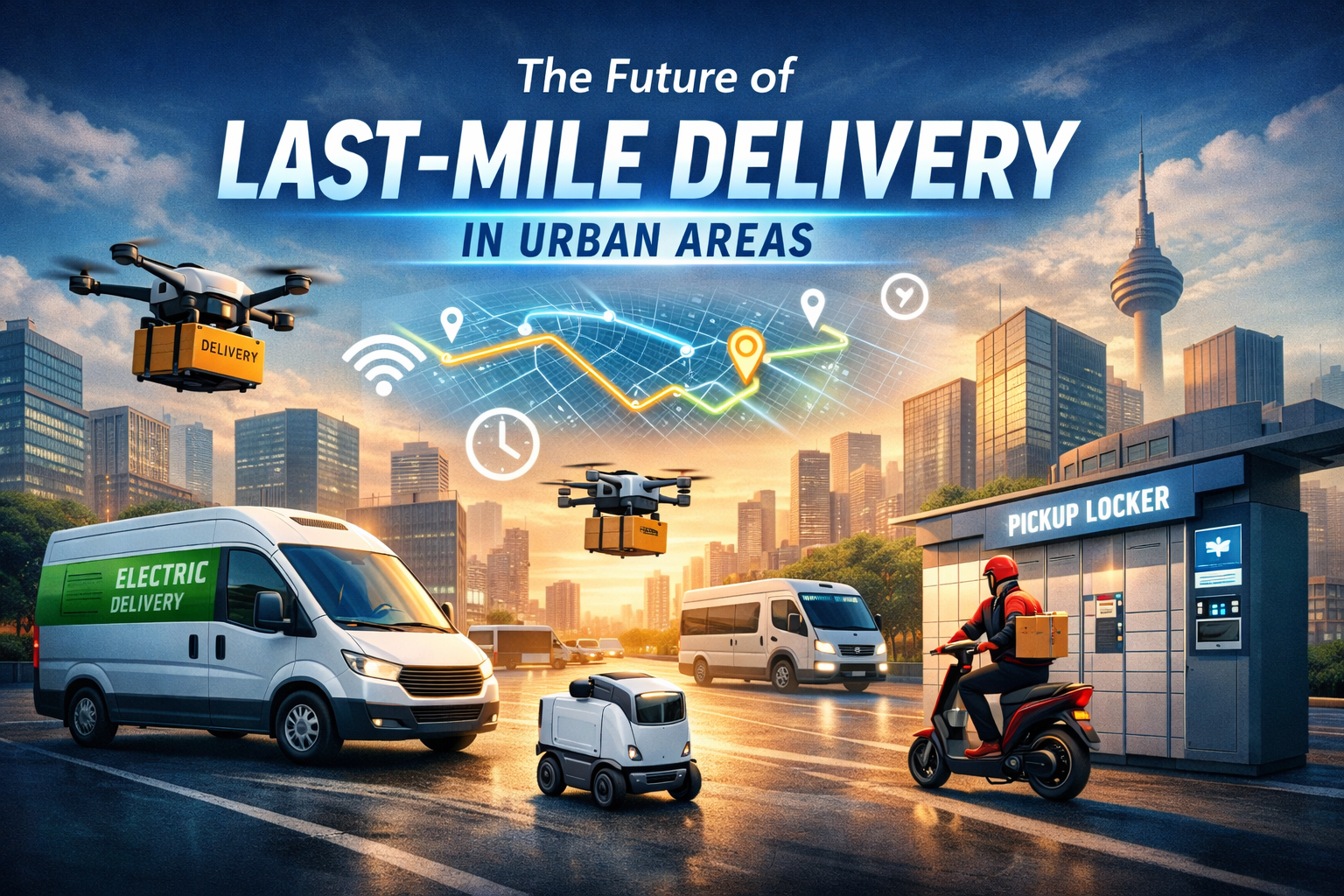
Urban last‑mile delivery has become one of the most dynamic and rapidly evolving parts of the logistics industry. As cities grow denser and customer expectations rise, transport companies are turning to new technologies to make deliveries faster, smarter, and more sustainable.
In this article we explore the key technological advancements shaping the future of last‑mile delivery and how businesses can stay ahead in a competitive landscape.
Why Last‑Mile Delivery Matters
Last‑mile delivery refers to the final step of getting a product from a transportation hub to the end customer. Even though it covers a short distance, it accounts for a large portion of delivery costs and has a direct impact on customer satisfaction.
With rising e‑commerce volumes and urban congestion, delivering efficiently in cities has never been more challenging or important.
Learn more about our urban distribution services.
1. Real‑Time Route Optimization Software
Route optimization technology uses real‑time data to calculate the most efficient delivery paths. By factoring in traffic patterns, weather conditions, and delivery windows, this software helps drivers avoid delays and reduce fuel consumption.
Dynamic routing continues to improve delivery times and reduces operational costs for fleets of all sizes.
Explore our smart routing solutions for better delivery performance.
2. Electric and Autonomous Delivery Vehicles
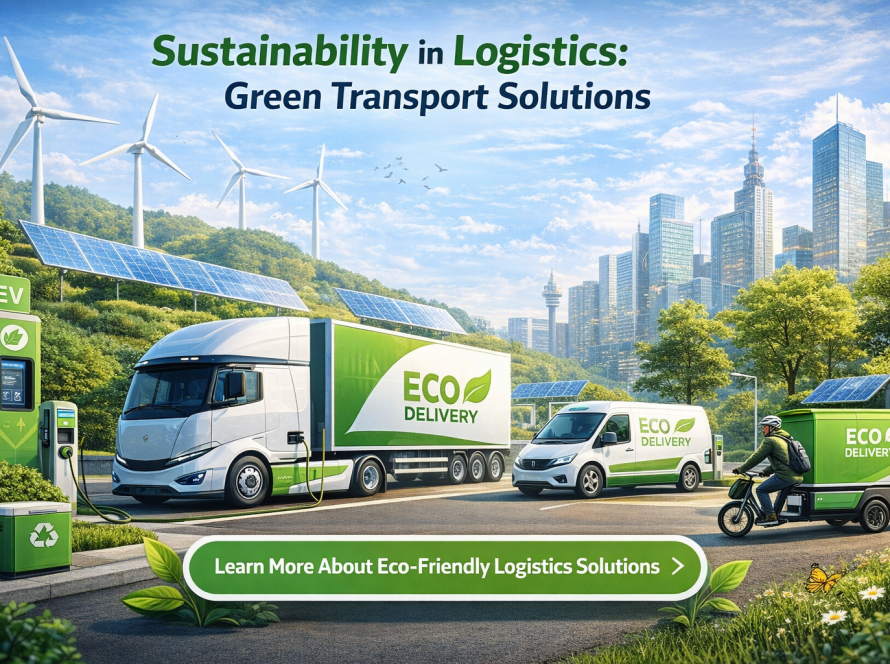
Electric vehicles (EVs) are gaining traction as cities set targets for reducing carbon emissions. EVs help fleets lower fuel costs and improve sustainability credentials. At the same time, autonomous ground vehicles and delivery robots are being tested in many urban locations to handle short distance deliveries without a driver.
These vehicle technologies are redefining how deliveries are made in dense city environments.
Discover our eco friendly transport fleet options.
3. Drone Deliveries for Speed and Precision
Drone technology has moved from concept to reality. In urban areas, drones provide a fast alternative for lightweight packages, bypassing road congestion entirely.
Although still regulated in many regions, drone delivery trials are expanding and offer a glimpse into a future where airborne logistics play a significant role.
See how we are exploring innovative delivery technologies.
4. Smart Lockers and Pickup Hubs
Not all deliveries need to reach a customer’s doorstep. Smart lockers and designated pickup hubs allow customers to collect their packages at a convenient time and location. These systems improve delivery efficiency and reduce failed delivery attempts, which can save both time and cost.
This hybrid approach enhances customer flexibility without increasing delivery complexity.
Check out our pickup and distribution network solutions.
5. AI and Predictive Analytics
Artificial intelligence and predictive analytics help logistics teams forecast delivery volumes, anticipate delays, and allocate resources more effectively. By using historical data and machine learning algorithms, companies can plan deliveries proactively rather than reactively.
This leads to fewer disruptions and improved delivery accuracy.
Read about our data driven logistics planning services.
How Technology Improves Customer Experience
Customers now expect transparency, speed, and real‑time updates. Technologies like mobile tracking apps, automated notifications, and delivery forecasting tools give customers clear visibility into their shipments.
With better communication and precision timing, trust and satisfaction increase, which builds customer loyalty over time.
Explore our customer delivery tracking features.
Challenges and Future Outlook
While innovation accelerates, challenges remain. Urban regulations, infrastructure limitations, and the cost of new technology adoption are hurdles for many providers. However, as these technologies mature and scale, their implementation will become more accessible.
Investment in digital tools and sustainable delivery options will be key drivers of future growth.
Learn about our urban logistics strategy offerings.
Conclusion
The future of last‑mile delivery in urban areas is shaped by advancements in routing software, autonomous and electric vehicles, drones, smart locker systems, and AI analytics. These technologies work together to improve delivery speed, reduce costs, and enhance customer satisfaction.
As urban populations expand, companies that embrace smart logistics are better positioned to thrive in a competitive market.
Interested in optimizing your urban delivery operations with cutting edge technology?
👉 Visit sakuratransport.ae to learn more about our last‑mile delivery services, request a consultation, or get a customized logistics plan for your business.
Contact us today and discover how advanced delivery solutions can elevate your service quality and efficiency.